Blog Post Metadata for Victoria's Architecture
Title
Victoria's Architecture: A Living Archive of Heritage and Innovation
Slug
victorias-architecture-living-archive
Excerpt
Discover how Victoria's built environment tells a story of ambition, creativity, and culture. From gold-rush grandeur to contemporary sustainable design, explore the architectural tapestry that shapes the state's identity and reflects its evolving relationship with heritage, innovation, and community.
Tags
- Architecture
- Victoria
- Heritage
- Design
- History
- Culture
- Sustainability
Full Content
Victoria's Architecture: A Living Archive
1. Introduction
Victoria's architecture is far more than a collection of structures — it is a living archive of ambition, creativity, and culture. From the state's dynamic city skylines to the quiet, enduring charm of regional towns, every corner of Victoria reveals a dialogue between past and present. Each laneway, terrace, and civic hall carries echoes of the people and ideas that shaped it, turning the state into an open-air storybook of heritage and innovation.
"Victoria's architectural landscape is a story written in stone, steel, timber, and community memory."
2. Foundations Older Than the City
Long before colonial settlement reshaped the land, First Nations communities developed sophisticated systems of shelter, seasonal movement, and environmental stewardship. Their approach—grounded in respect for Country and harmonisation with climate—continues to influence contemporary sustainable design.
Today, more architects collaborate with Indigenous custodians to create places that honour traditional knowledge and embed cultural narratives into modern spaces. This shift marks an important evolution in Victorian architecture: one that listens to the land rather than imposing upon it. The integration of Indigenous perspectives represents not just a design trend, but a fundamental reimagining of how architecture can respect both place and people, creating buildings that feel truly connected to the landscapes they inhabit.
3. Gold Rush Grandeur and the Birth of a City
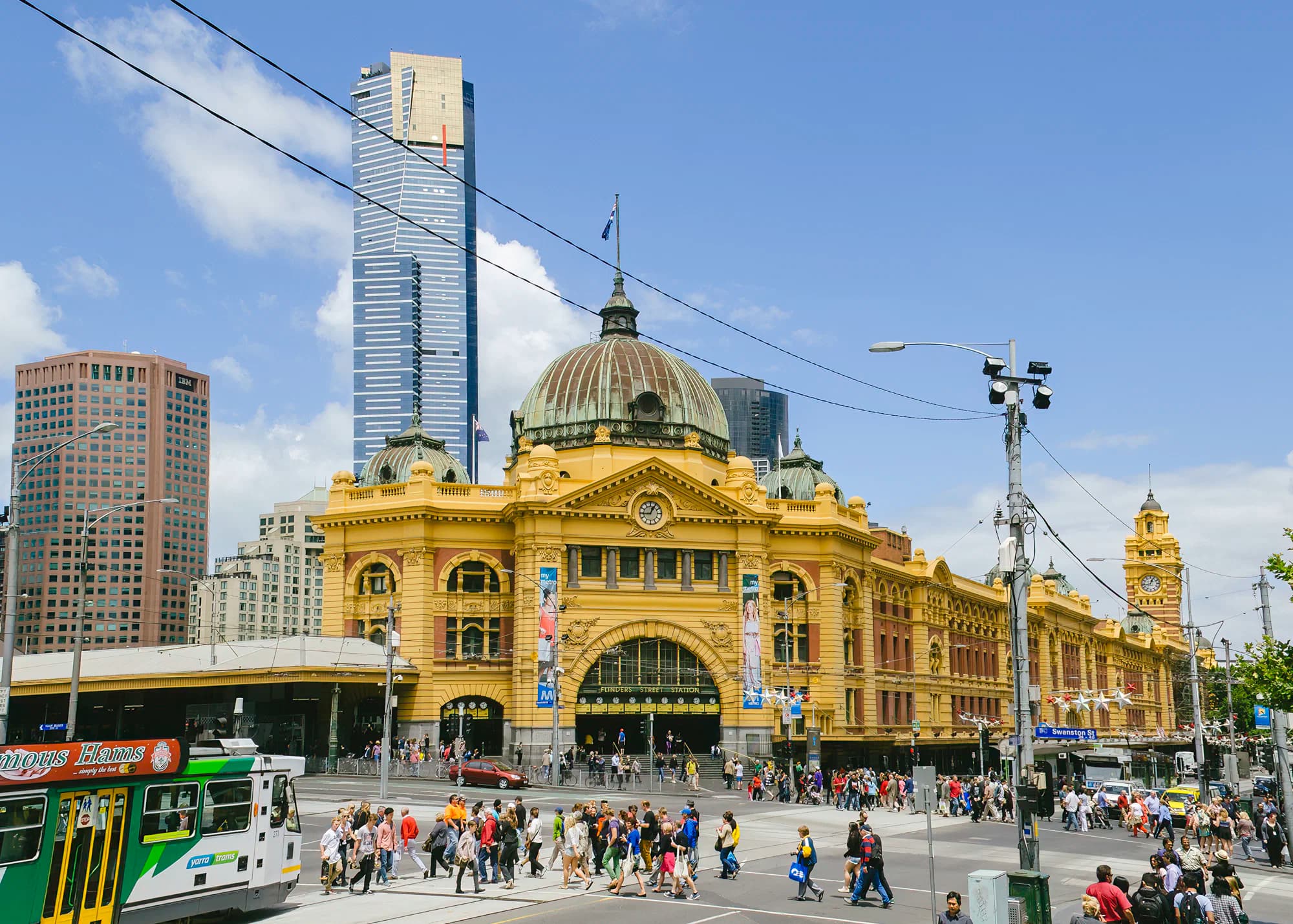
The 19th-century gold rush ignited an era of extraordinary growth and optimism. The capital city blossomed almost overnight, adorned with grand civic buildings, stately terraces, and ornate theatres that still define its character. Landmarks such as the Princess Theatre, the State Library of Victoria, and the Town Hall showcase the craftsmanship and confidence of the time, each structure telling a story of ambition and prosperity that transformed Melbourne from a fledgling settlement into a world-class city.
This legacy stretches far beyond the capital. Towns like Ballarat, Bendigo, and Castlemaine preserve some of Australia's most intact heritage streetscapes—bluestone courthouses, wide verandahs, iron lacework, and beautifully proportioned civic buildings. Walking these streets feels like stepping into a portal to a time when prosperity, migration, and bold architectural expression collided. The gold rush era left behind not just buildings, but entire urban environments that continue to captivate visitors and residents alike, their grandeur speaking to a moment when Victoria believed anything was possible.
"Walking through regional Victoria feels like stepping into a living museum of gold-rush ambition."
4. Modernism, Creativity, and the Expanding City
The 20th century brought Victoria into the era of modernism, with clean lines, functional spaces, and an emphasis on light and openness. As post-war suburbs expanded, architecture evolved to reflect new lifestyles, changing family structures, and emerging technologies. The suburban dream took physical form in thousands of new homes, each designed to offer comfort, privacy, and a connection to the outdoors that previous generations had never experienced.
By the 1970s and 1980s, experimentation took centre stage. Postmodern design introduced expressive geometries, bold colour, and a playful reimagining of historical references. Institutions like RMIT Storey Hall symbolised a city increasingly unafraid to take creative risks, blending architectural innovation with cultural expression in ways that challenged conventional notions of what buildings should look like.
Meanwhile, the reinvention of urban laneways transformed forgotten service alleys into vibrant experiences that blended architecture with art, culture, and community energy. What were once dark, utilitarian spaces became canvases for creativity, proving that architecture extends beyond buildings to encompass the spaces between them, the connections that make cities feel alive and dynamic.
5. Innovation for a Changing Environment
Today, Victoria stands at the forefront of design that is beautiful, functional, and deeply responsible. Architectural success is no longer judged solely by aesthetics, but by adaptability, sustainability, and social value. This shift reflects a growing awareness that buildings must serve not just their immediate occupants, but future generations and the environment itself.
Climate-responsive architecture has become essential, with designers using natural ventilation, recycled materials, and smart orientation to create buildings that work with their environment rather than against it. These structures breathe with the seasons, respond to weather patterns, and minimise their ecological footprint while maximising comfort and functionality.
Biophilic design weaves greenery and natural textures into urban life, recognising that humans have an innate need to connect with nature. Buildings now incorporate living walls, rooftop gardens, and interior courtyards that bring the outside in, creating spaces that nurture both body and mind.
Bushfire-resilient construction has become essential for regions exposed to extreme conditions, with architects developing innovative solutions that protect lives and property while respecting the natural environment. These designs represent a sophisticated understanding of risk, combining traditional knowledge with cutting-edge technology to create homes and communities that can withstand nature's most challenging moments.
Adaptive reuse has transformed heritage buildings into vibrant community spaces, with projects like the Abbotsford Convent demonstrating how old structures can find new life while preserving their historical character. This approach honours the past while serving contemporary needs, creating spaces rich with memory and meaning.
Community-led design ensures that public spaces reflect local stories and needs, with architects working closely with residents to create places that truly belong to the people who use them. This collaborative approach produces architecture that feels authentic, responsive, and deeply connected to its context.
Urban centres continue to push boundaries. Once-controversial projects such as Federation Square are now celebrated for their unmistakable identity, while venues like the Recital Centre merge scientific precision with artistic expression. These buildings prove that architecture can be both functional and inspiring, serving practical needs while elevating the human spirit.
Across the suburbs and regions, new homes showcase a growing commitment to eco-conscious living and human-centred design. These residences demonstrate that sustainable architecture need not sacrifice beauty or comfort, but can enhance both while protecting the environment for future generations.
"In Victoria, architecture reflects both a respect for the past and confidence in shaping the future."
6. Regional Victoria: Local Stories in Built Form
Outside the capital, regional towns reveal some of Victoria's most intimate design narratives. Along the coast, timber beach houses blend seamlessly into rugged landscapes shaped by wind, salt, and shifting light. These structures speak to a way of life that embraces the elements, creating homes that feel like natural extensions of their coastal settings.
In the Otways, homes tuck quietly into the forest, using muted palettes and low-impact materials to harmonise with nature. These buildings demonstrate a deep respect for their surroundings, designed to disappear into the landscape rather than dominate it, creating a sense of peace and connection that urban architecture often struggles to achieve.
Small towns offer treasures of their own: red-brick post offices that once served as community gathering places, weatherboard cottages that tell stories of generations of families, heritage train stations that connect communities across vast distances, and restored Mechanics Institutes that preserve the intellectual and social history of regional Victoria. These structures may not appear on international design lists, but they carry deep emotional weight, preserving memory across generations and maintaining the threads that connect communities to their past.
Each building in regional Victoria tells a story about the people who built it, lived in it, and cared for it over decades or even centuries. These are not just structures, but repositories of community identity, physical manifestations of the values, hopes, and dreams that have shaped regional life.
7. Architecture as Identity
Every chapter of Victorian architecture tells a story about who the state was — and who it is becoming. The gold-rush grandeur reflects confidence and growth, a moment when Victoria believed it could build anything and become anything. Those ornate facades and grand public buildings speak to an era of optimism and ambition that still influences how Victorians see themselves and their place in the world.
Post-war suburbs express hopes for stability, a desire to create safe, comfortable homes where families could thrive. These neighbourhoods represent a social contract, a promise that hard work would be rewarded with security and belonging. The architecture of this period reflects not just design trends, but fundamental shifts in how Australians understood home, community, and success.
Contemporary sustainable design reveals environmental awareness, showing that Victorians understand their responsibility to future generations. These buildings demonstrate that progress and preservation can coexist, that innovation can serve both human needs and planetary health. They represent a maturity in architectural thinking, moving beyond style to substance, beyond appearance to impact.
Adaptive reuse shows a desire to honour the past while embracing the future, recognising that the best way forward often involves looking back. These projects demonstrate that history is not a burden but a resource, that old buildings can serve new purposes while maintaining their connection to the communities that created them.
Indigenous-led collaboration reflects respect and reconciliation, acknowledging that architecture must serve all Victorians and honour the deep history of the land. These projects represent a new chapter in Victorian architecture, one that listens to voices that have been marginalised for too long and creates spaces that truly belong to everyone.
In this way, Victorian architecture becomes a storyteller — silent, enduring, and deeply connected to the lives of its people. Every building, from the grandest public structure to the humblest cottage, contributes to a narrative about who Victorians are, what they value, and how they see their future.
8. Looking Ahead: Building for Tomorrow
As Victoria adapts to climate change, population growth, and evolving social needs, architecture will shape the state's future. Emerging trends point toward a more integrated, responsive, and sustainable approach to building that serves both people and planet.
Higher-density neighbourhoods are being built around community, greenery, and walkability, recognising that urban living can be both sustainable and desirable. These developments prove that density need not mean sacrificing quality of life, but can actually enhance it by creating vibrant, connected communities where everything people need is within walking distance.
Innovative, affordable housing models are addressing the challenge of providing quality homes for all Victorians, regardless of income. These projects demonstrate that good design is not a luxury but a necessity, and that beautiful, functional housing can be accessible to everyone.
Stronger climate resilience in planning recognises that the future will bring new challenges, and that buildings must be designed to adapt and respond. This means creating structures that can withstand extreme weather, conserve resources, and maintain comfort even as conditions change.
Greater integration of Indigenous knowledge brings ancient wisdom to contemporary challenges, recognising that First Nations communities have been successfully managing this land for tens of thousands of years. This collaboration enriches architectural practice while honouring traditional custodianship and creating buildings that truly belong to their place.
AI-supported design tools are improving precision and sustainability, allowing architects to optimise every aspect of a building's performance before construction begins. These technologies enable more efficient use of materials, better energy performance, and designs that respond more accurately to their specific contexts and requirements.
Victoria's architectural future will blend heritage, technology, and cultural depth — creating spaces that feel both timeless and forward-thinking. The buildings of tomorrow will honour the lessons of the past while embracing the possibilities of the future, creating an architectural legacy that future generations will be proud to inherit.
9. Conclusion
Victoria's built environment forms a vibrant, evolving tapestry. From gold-rush theatres and bluestone facades to experimental cultural venues, eco-sensitive homes, and cherished regional landmarks, the state's architecture reflects creativity, history, community, and identity. Each structure contributes to a larger narrative about who Victorians are and who they aspire to become.
Whether strolling through a bustling laneway or wandering a country town, every building has a story to tell — a story that continues to unfold as Victoria shapes a future where past and present coexist in harmony. The architecture of Victoria is not static but dynamic, constantly evolving to meet new challenges while preserving the essential character that makes the state unique.
In the end, Victoria's architecture is more than buildings — it is a conversation between generations, a dialogue between tradition and innovation, and a testament to the enduring power of place. As the state continues to grow and change, its architecture will continue to tell the story of a people who value both their heritage and their future, creating spaces that honour the past while building toward tomorrow.